



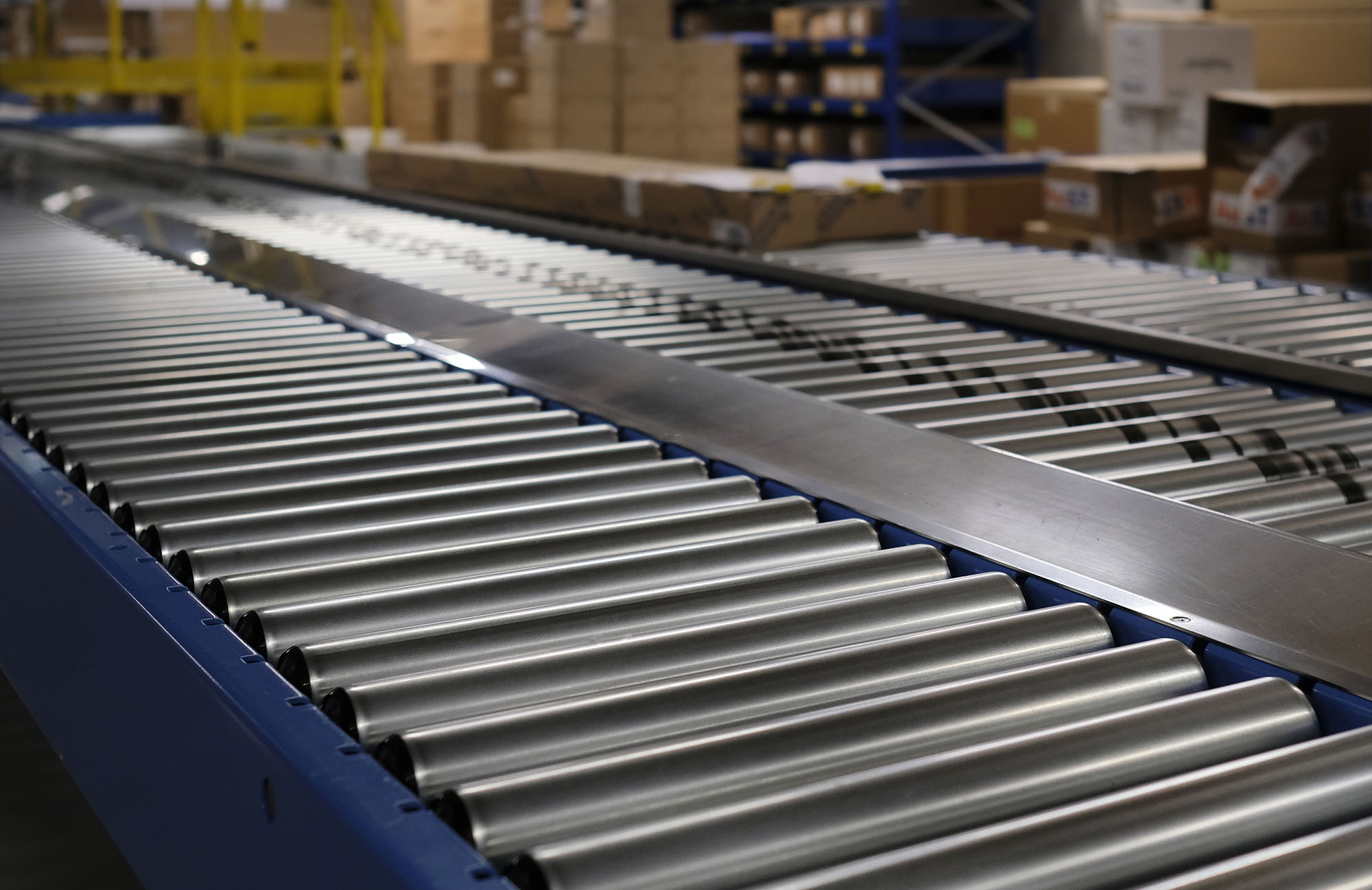
Case Studies
 May Conveyor, Inc. Rapidly Modifies a Mismatched Belt to Resume Operations
 May Conveyor, Inc. Expedites Special Material Procurement to Build a Custom Apron/Beaded Pan Belt
Belt Types
Chip Conveyor Belts
Combination Belts
“Z” Apron Pan Belts
Steel Hinge Belts
Beaded Apron Belts
Specialty Engineered Belting
Parts
Steel Hinge Conveyor Belts 6″ & 9″ Pitch Belt Specifications
6″ & 9″ Pitch Chain Parts Layout
Part Number and Descriptions
Request a Quote
Interested in our Belts, Chains or Parts? Request a quote today.
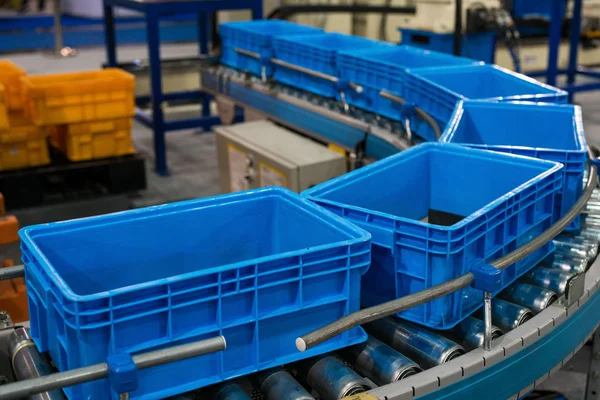
Applications and Benefits of Belt Conveyors
As published by IQS Directory in “What are the applications and benefits of belt conveyors?”, belt conveyors are widely used across industries for transporting materials efficiently over short and long distances. They are commonly found in manufacturing, mining, packaging, and food processing environments where consistent material flow is essential. Belt conveyors offer advantages such as…
Different Types of Conveyor Belts for Industrial Use
As published by Plant Automation Technology in “Types of Conveyor Belts Used for Industrial Purposes,” industrial conveyor belts are manufactured from materials suited to specific operational demands, including rubber, PVC, metal, and fabric-reinforced designs. Each type addresses different load capacities, temperatures, and environmental conditions. Choosing the appropriate belt supports productivity, safety, and durability in industrial…
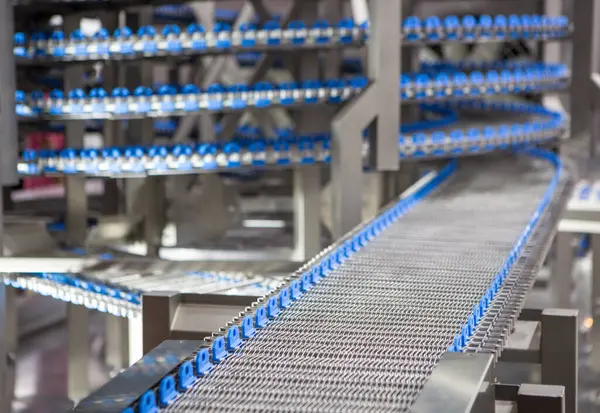
Understanding Mechanical Conveyor Systems and Their Types
As published by ResearchGate in “A Comprehensive Review on Mechanical Conveyor Systems: Evolution, Types, and Applications,” mechanical conveyors have developed to meet the growing demands of industrial automation and material handling. Various systems, including belt, screw, and chain conveyors, are designed for different materials and production environments. Modern conveyor systems focus on improving reliability, efficiency,…
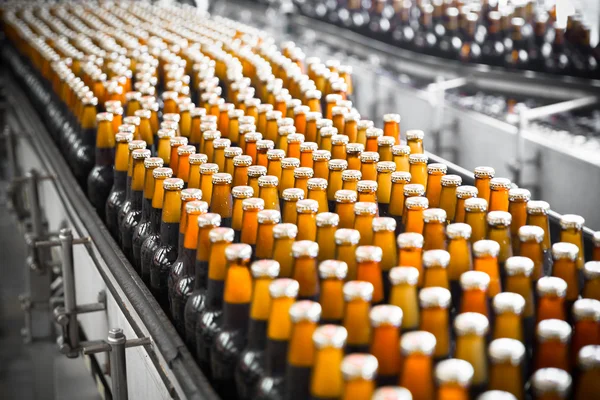
How Conveyor Systems Are Used in Modern Operations
As published by IQS Directory in “What Are Conveyor System Applications?”, conveyor systems are used across industries to transport materials efficiently and safely. Applications range from manufacturing and food processing to warehousing and mining operations. Conveyor systems streamline workflows by reducing manual handling and supporting continuous production. Understanding their applications helps organizations optimize operational performance…
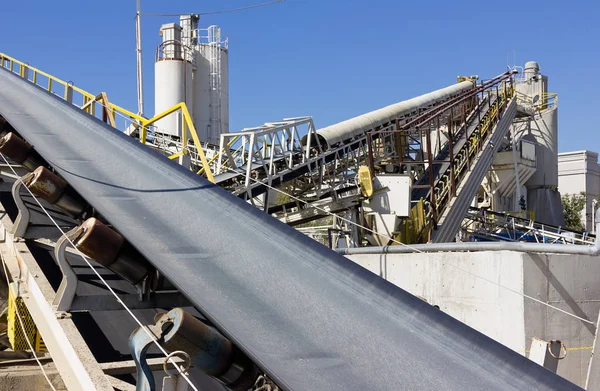
Understanding Conveyor Belt Types and Their Uses
As published by IQS Directory in “What Are the Different Types of Conveyor Belts?”, conveyor belts are designed in various styles to suit specific materials and environments. Common types include flat belts, modular belts, cleated belts, and specialty belts for high heat or heavy-duty applications. Selecting the right belt type depends on load characteristics, speed…
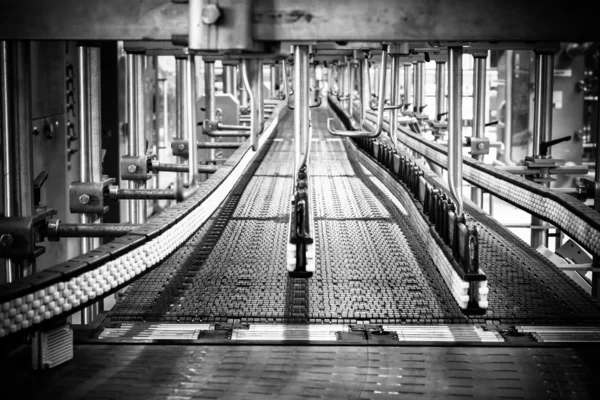
Why Metal Conveyor Belts Perform in Tough Conditions
As published by IQS Directory in “What are the benefits of metal conveyor belts?,” metal conveyor belts are used in demanding environments where strength, durability, and stable tracking matter more than flexibility. Metal belts are positioned for high-load and abrasive applications, cleaner conveying where dust and debris are a problem, and processes that need airflow…

Bentley Preps a More Flexible Way to Build Cars
As reported by Automotive News in “Bentley readies ‘revolutionary’ car building solution,” Bentley is preparing a major shift in how vehicles are built at Crewe, tied to its move toward a more digital, flexible production model. (Note: the Automotive News link may require access to view.) Public manufacturing updates from Bentley and industry coverage point…
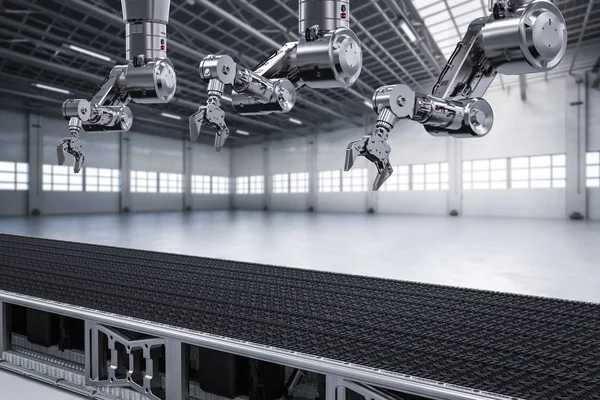
Conveyor Belt Systems in Industrial Automation
As published by Control.com in “Introduction to Conveyor Belt Systems,” Muhammad Asim Niazi explains conveyor systems as mechanical structures that transport materials between locations using drive mechanisms like motors, with belts being one of the most common transport methods in factory automation. Conveyor belt systems are shown as especially useful when goods must move between…

Conveyor Belt Uses Across Material Handling
As published by IQS Directory (Industrial Quick Search) in “Conveyor Belts: Types, Manufacturing & Applications,” an editorial overview explains that conveyor belts are used across facilities to move materials quickly and efficiently, helping operations improve supply-chain flow and reduce manual handling. Conveyor belts support everything from small, precise handling (like jewelry and stones) to large…
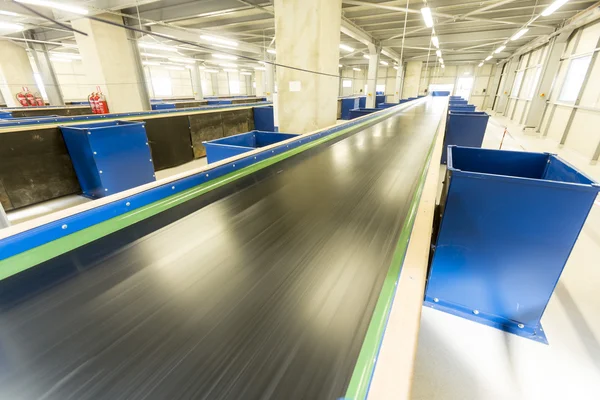
How Conveyor Belts Work in Modern Manufacturing
As published by IQS Directory in “How Do Conveyor Belts Work?”, conveyor belts operate using motor-driven pulleys that move a continuous belt loop to transport materials from one point to another. The system relies on friction, tension, and support rollers to maintain smooth and consistent movement. Conveyor belts are widely used in manufacturing, logistics, and…

Industrial Conveyor Systems and Their Uses
As published by N&T EngiTech in “What Types Of Conveyor Systems Are Used In Industrial Operations,” industrial facilities rely on a range of conveyor systems to move materials efficiently through production and distribution workflows. Common systems include belt conveyors, roller conveyors, chain conveyors, screw conveyors, and overhead conveyors, each designed to handle specific materials and…
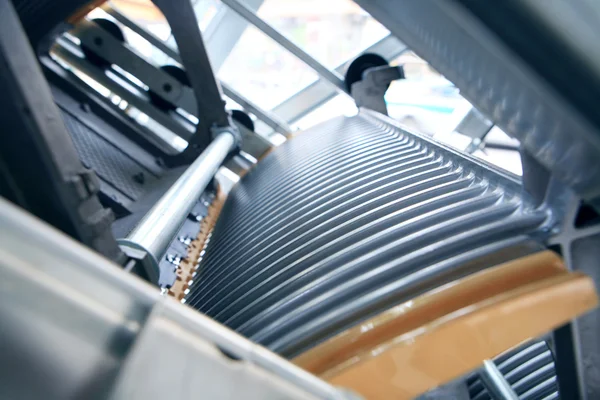
How Conveyor Systems Are Shaping Modern Material Handling
As published by Greenspace Industrial in “Revolutionizing Material Handling: The Future of Conveyor Systems at Greenspace Industrial,” modern conveyor systems are evolving to improve efficiency, flexibility, and performance in material handling operations. Innovations focus on automation, modular design, and system integration to meet changing industrial demands. Advanced conveyor solutions support streamlined workflows, reduced downtime, and…